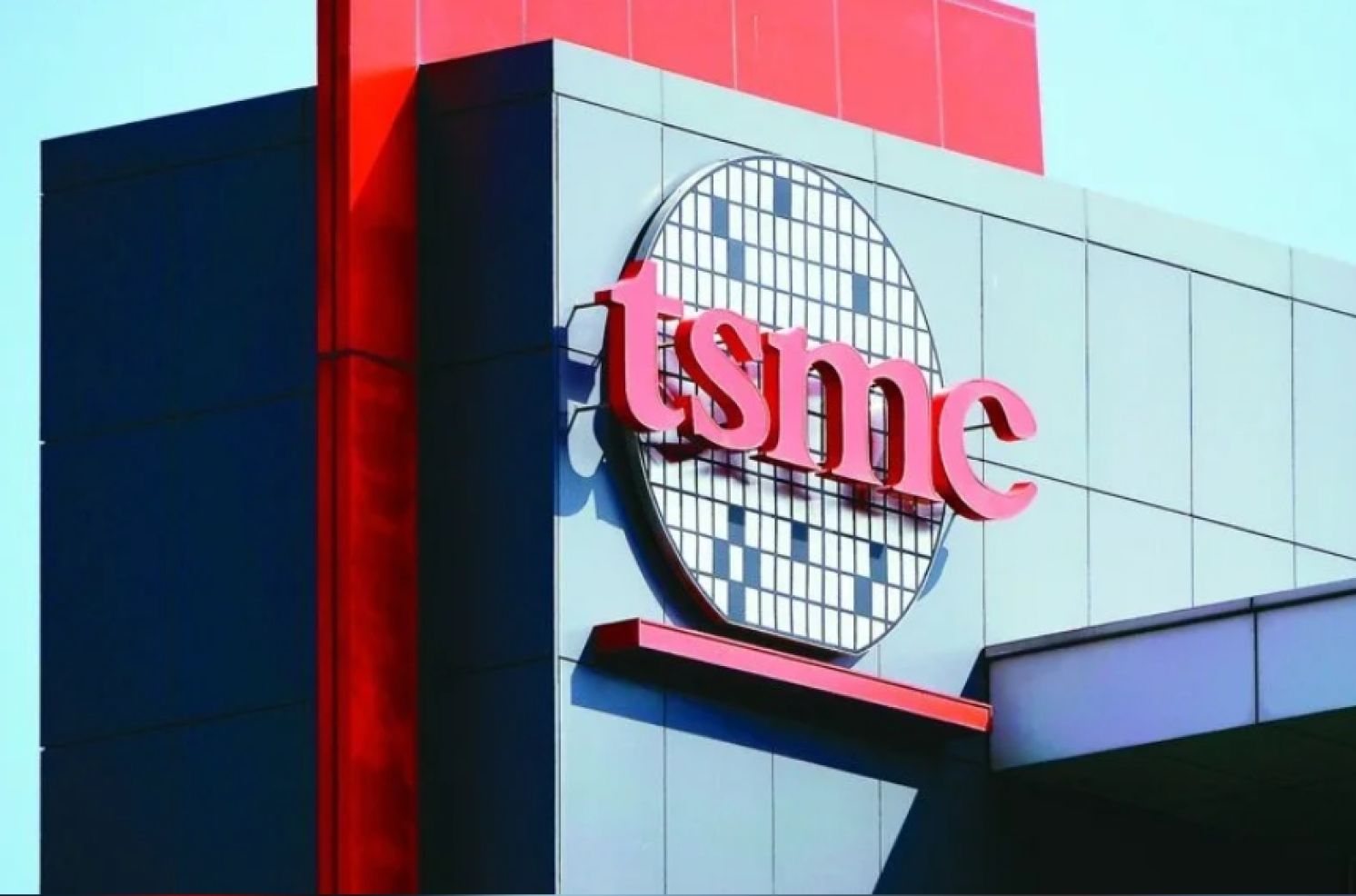
Trump's Slander Must Not Stand: Taiwan's Semiconductors Not Stolen
By Paul Wang, United Daily News Opinion, March 3, 2026
On February 20, in response to a U.S. Supreme Court ruling on tariffs, President Donald Trump again claimed that Taiwan had “stolen” America’s semiconductor industry. I find this deeply regrettable. I consider myself a veteran of Taiwan’s semiconductor sector. In the early days, I participated in planning and developing the industry, and later, as a venture capitalist, I invested in many semiconductor-related companies, including wafer manufacturing, integrated circuit (IC) design, and packaging and testing. Over the past decades, I have witnessed the industry’s growth from multiple roles—from early technology transfer and learning, to the gradual development of local capabilities, and finally to its current indispensable position in the global supply chain. I have seen teams overcome constraints under difficult conditions and watched Taiwan’s semiconductor industry steadily move to the center of the global stage.
The development of Taiwan’s semiconductor industry did not happen overnight. It is the result of five decades of combined government foresight and private-sector resilience. From the early introduction of key technologies through the Industrial Technology Research Institute, to the creation of a complete industrial division of labor, and eventually the rise of globally competitive companies, the journey relied on government support, policy guidance, and the daily efforts of countless known and unknown contributors. As documented in the film A Chip Odyssey, the so-called “semiconductor sacred mountain” was not moved here from elsewhere—it was built piece by piece through the hard work and perseverance of the Taiwanese people.
Review of the development of the American semiconductor industry also clarifies how today’s global division of labor emerged. Since the 1980s, as cost pressures and competition increased, many American companies gradually outsourced manufacturing while focusing on design and system integration, forming the so-called “fabless” model. This strategic choice was not forced, but based on efficiency and competitiveness. During this process, Taiwan, with its stable manufacturing capabilities, engineering talent, and long-term investment, assumed a key role in wafer production and gradually established a world-class foundry system.
Mr. Trump’s repeated claim that Taiwan “stole” American semiconductor technology ignores the historical context of Taiwan’s industrial development and oversimplifies the complexity of global technological cooperation. More importantly, such remarks are unfair and dismissive to the generations of Taiwanese who have devoted themselves to this industry. These include pioneers who helped build Taiwan’s semiconductor sector over the past half century, Sun Yun-suan, Li Kuo-ting, Fang Hsien-chi, Pan Wen-yuan, Hu Ding-hua, Morris Chang, Shih Chin-tai, Tsai Ming-kai, and Robert Tsao—as well as researchers working tirelessly in laboratories, engineers running production lines day and night, and venture capitalists like us who invested in the industry’s growth. Taiwan’s place in the global semiconductor industry today is not accidental; it is the result of long-term effort and persistence. Take the Taiwan Semiconductor Manufacturing Company (TSMC) as an example—it created the unique pure-play foundry model and has become a key foundation of global technological innovation. The term “silicon shield” is not an empty slogan, but recognition of the accumulated strength of an industry and a company built over time.
Of course, when facing Mr. Trump’s misunderstanding, we do not need to respond emotionally—but we should not remain silent either. Taiwan’s semiconductor industry deserves to be understood and respected. The world should see the half-century of effort and accumulation behind it. If possible, I sincerely suggest promoting the documentary A Chip Odyssey widely through international media, so that Mr. Trump and the global community can understand how Taiwan forged its own path despite limited resources. Taiwan’s semiconductor industry was never simply given to us—it was built through hard work. Taiwan’s “silicon shield” did not fall from the sky; it is the fruit of decades of dedication and perseverance by the Taiwanese people. This truth must not be distorted.
The author is chairman of the K.T. Li Foundation for Development of Science and Technology.